Build medical applications with full control
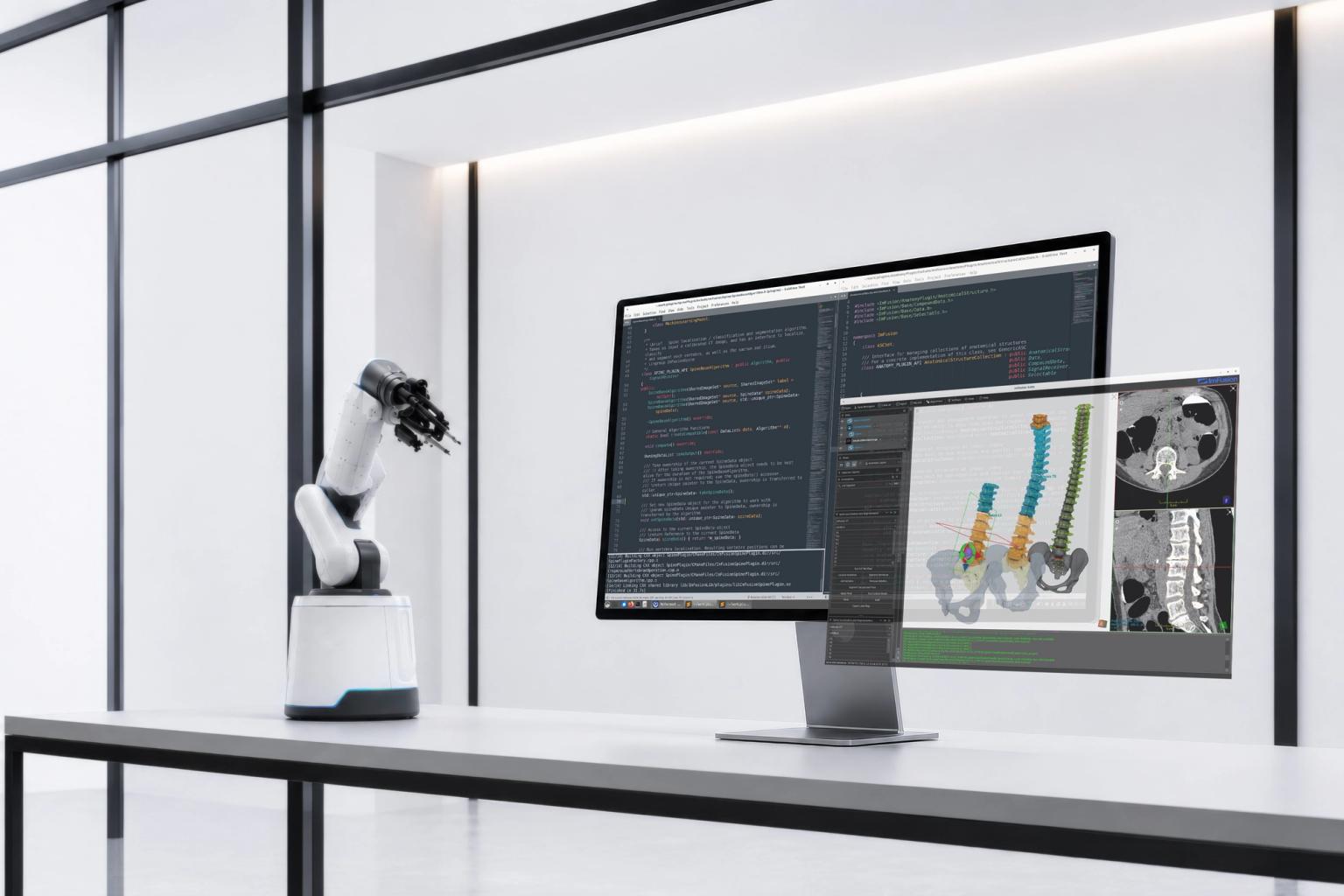
Production-ready algorithms, a modular cross-platform framework, and optimized processing pipelines. Everything you need to take medical imaging from research to production.
Powerful development ecosystem built on a modular architecture
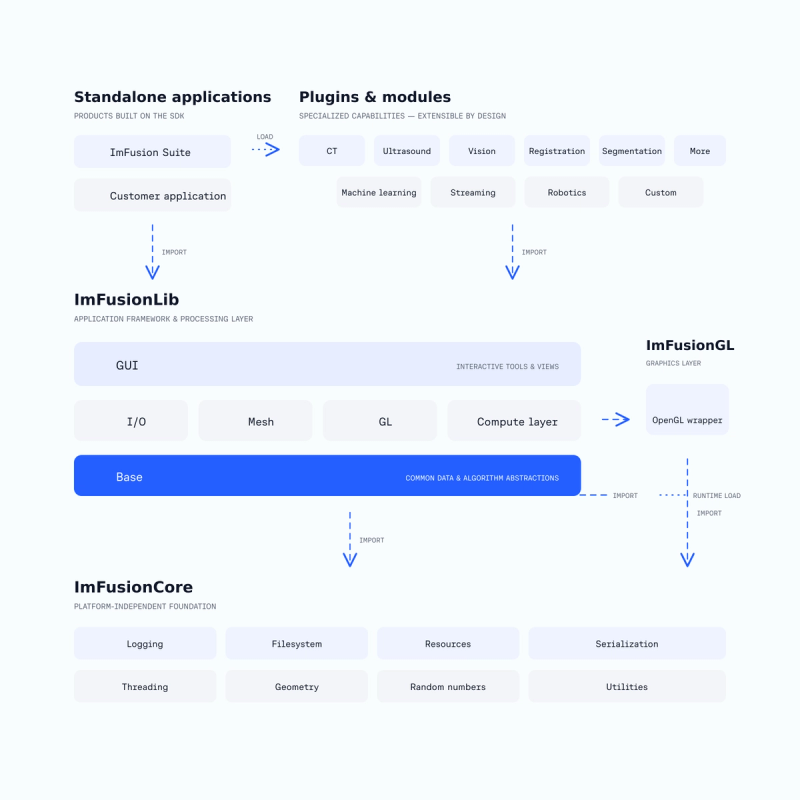
The ImFusion SDK is a cross-language platform (C++, Python, Typescript) built on a modular plugin architecture, allowing teams to deploy only the functionality they need. State of the art visualization capabilities, GPU acceleration, and convenient integration make it easy to scale from research to production. The SDK runs on Windows, macOS, and Linux.
A proven foundation for clinical systems
Trusted by research labs and commercial teams alike, the ImFusion SDK delivers production-ready imaging technology for every stage of development. Prototype your application with confidence, knowing the same proven foundation can take you all the way from early development to clinical deployment.
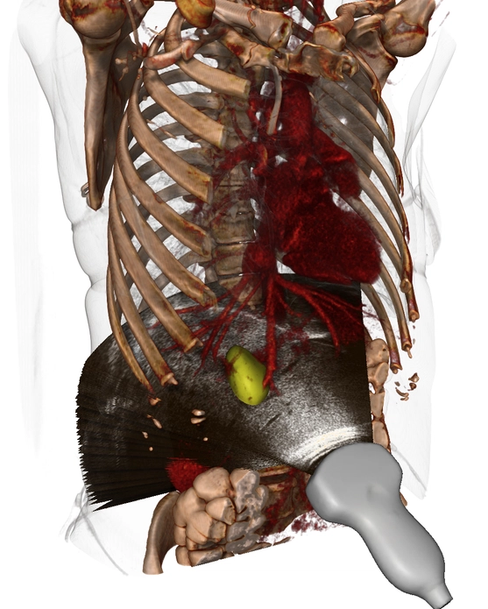
Image handling and visualization
Load, combine, and display medical images, geometric data, and live streams in one consistent environment.
Low-level control over rendering and data representation supports both interactive exploration and specialized visualization workflows.
Machine learning
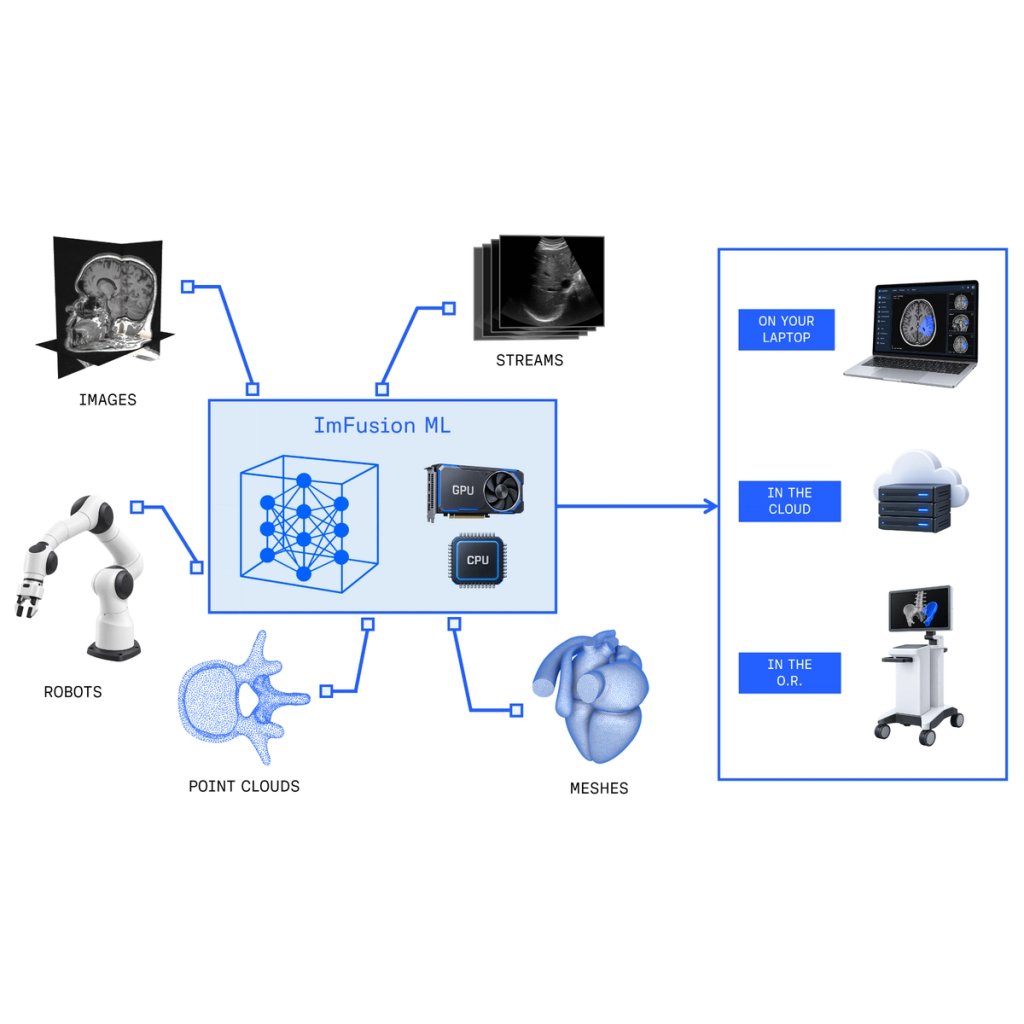
Run machine learning models directly in the ImFusion Suite or SDK, including configurable pre- and post-processing, all driven by a simple YAML configuration.
Apply the same models across volumetric images, real-time image streams, meshes, and point clouds.
The SDK supports established ML frameworks including ONNX Runtime, PyTorch, and TensorRT, with deployment across Windows, macOS on ARM, and Ubuntu.
Depending on the platform and framework, models can run on CPU or take advantage of GPU acceleration through technologies such as CUDA, DirectML, and MPS.
Real-time data streaming
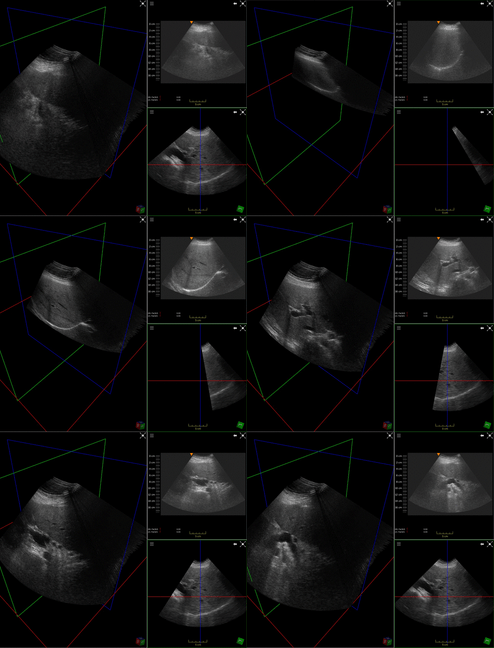
Acquire, process, visualize, and record real-time imaging, tracking, and sensor data. Synchronize multiple streams with different frame rates, timestamps, and latencies, and apply image processing, AI, registration, or reconstruction directly to incoming data.
Use the same pipelines for live acquisition and recorded playback, with support for local devices, network streaming, OpenIGTLink, and ROS. GPU acceleration enables responsive processing and visualization for applications such as ultrasound guidance, endoscopy, navigation, and robotics.
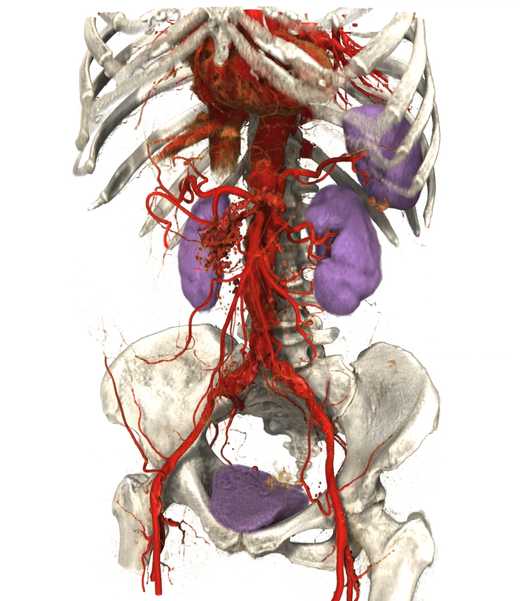
Segmentation
Create, refine, and evaluate annotations in 2D and 3D datasets. Combine manual and semi-automatic workflows across different annotation types to efficiently prepare and review imaging data.
Built-in topological analysis and segmentation metrics support quantitative quality assessment, ground-truth creation, and validation of segmentation and machine learning results.
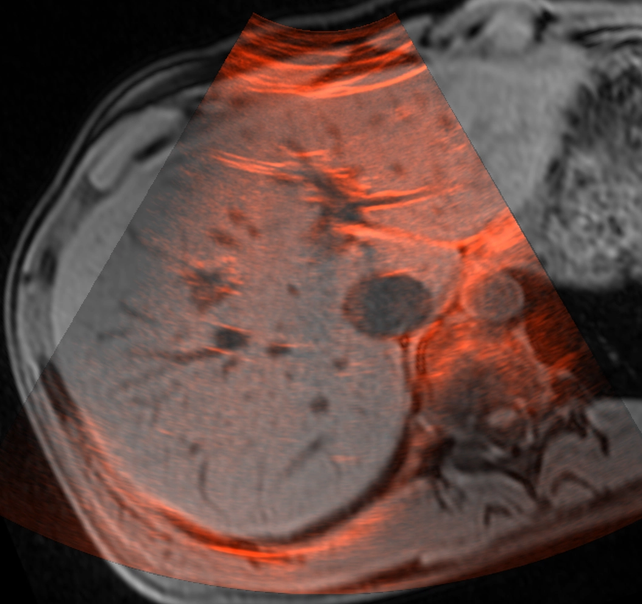
Registration
Align and match imaging data across modalities, time points, and viewpoints. Combine rigid, affine, deformable, intensity-based, feature-based, and learning-based registration within a single framework.
Work across 2D images, 3D volumes, surfaces, landmarks, and point clouds, including 2D/3D workflows. GPU acceleration and customizable initialization support fast, robust registration for multimodal fusion, longitudinal analysis, and image-guided interventions.
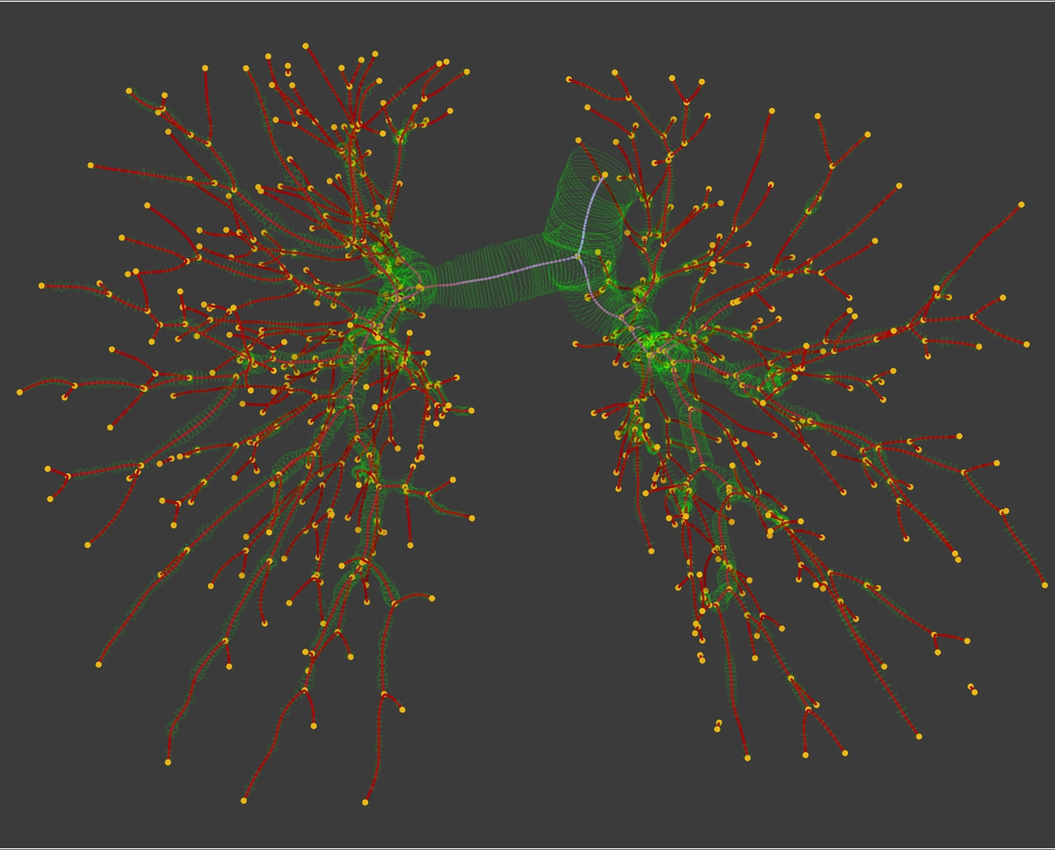
Graph analysis
Represent vessels and other tubular structures as graphs to analyze their geometry and topology. Generate centerline graphs automatically from segmentations and refine them in 2D and 3D views with physically based, interactive editing.
Derive properties such as length, diameter, and cross-sectional area from the underlying image data, store them as graph features, and use them for visualization, quantitative analysis, and downstream machine learning workflows.
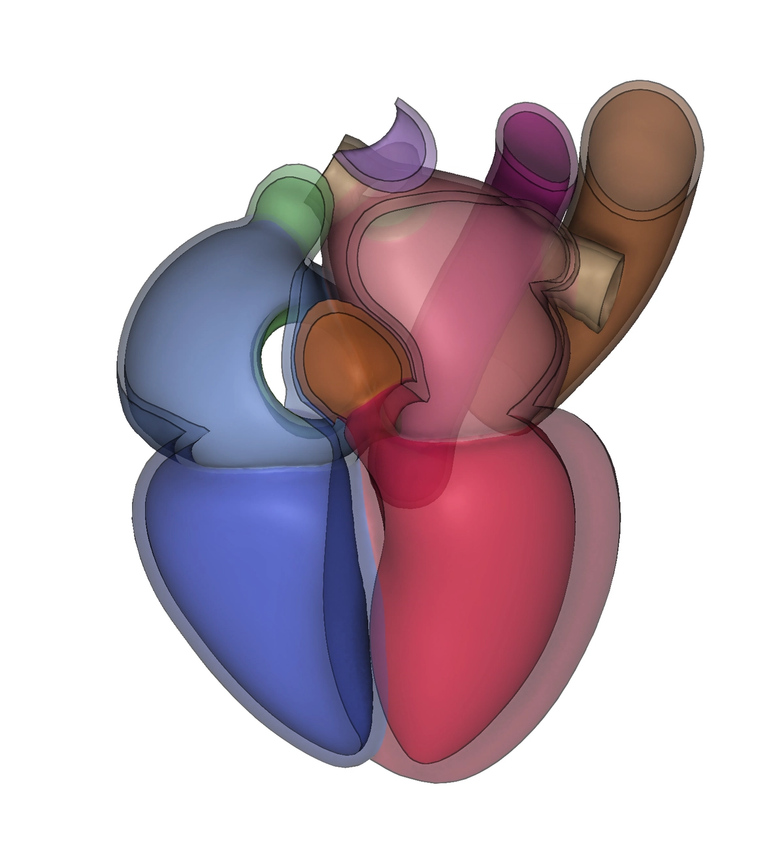
Anatomical structures
Design, serialize, and store complex anatomical workflows with the Anatomical Structure data model, including meshes, segmentation maps, keypoints, graphs and other anatomical information into a unified framework. A single-file storage format supports modular development and makes complex datasets easy to manage across applications. Build rich anatomical visualizations, perform deformable registration for multimodal fusion and surgical comparisons, and create and register statistical shape models. The framework is extensible with custom ML models for new anatomies and segmentation tasks.
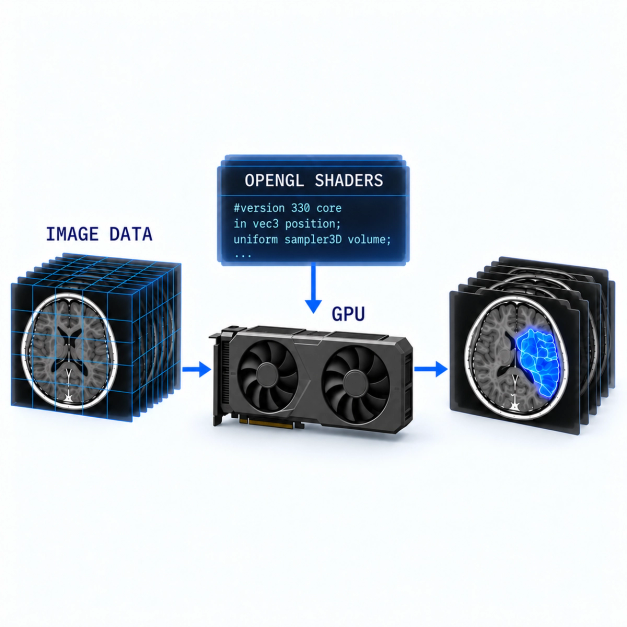
GPU acceleration
Accelerate computationally demanding workloads with native support for GPU processing. The ImFusion SDK integrates OpenGL shaders for high-performance, general-purpose computation across compatible graphics hardware, helping you benefit from GPU acceleration without tying your application to a specific hardware vendor.
For AI and deep learning workloads, the SDK fully supports CUDA acceleration through established machine learning frameworks, allowing you to take advantage of NVIDIA GPUs when running or integrating neural networks and other ML-based components.
High performance computing in modern C++
The C++ SDK is a modular library designed for building advanced medical imaging applications. It gives engineers and researchers full access to high-performance algorithms and infrastructure, wrapped in a flexible, production-grade framework that runs on major OS platforms.
- Cross-platform support: Windows, macOS, Linux + embedded (Jetson) on request
- Modular architecture based on plugins: load only what you need
- Production-proven algorithms trusted by research labs and commercial teams
- Optimized processing pipelines for CPU and GPU
- Modern CMake support
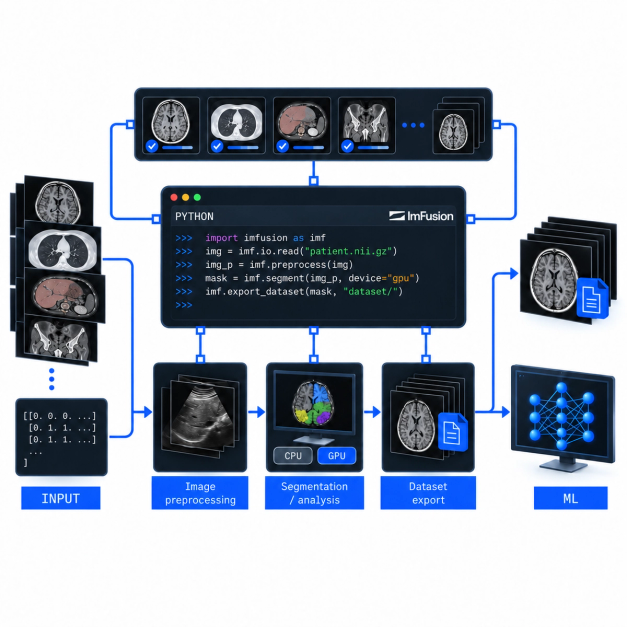
Fast scripting and integration in Python
Get the full power of C++ with the convenience of Python. Ideal for researchers, ML developers, or data scientists who want quick access to core functionality without building full applications.
Use the Python SDK to configure and launch image processing tasks, automate batch workflows, or create deployment-ready machine learning data pipelines.
- Access the C++ SDK from Python
- Interoperability with NumPy
- CPU and GPU computing backends
- Automate project setup and exports in ImFusion Labels
- Interact with the ImFusion Suite from your Python environment
- Interact with data through the built-in Python REPL
Performant web applications in TypeScript
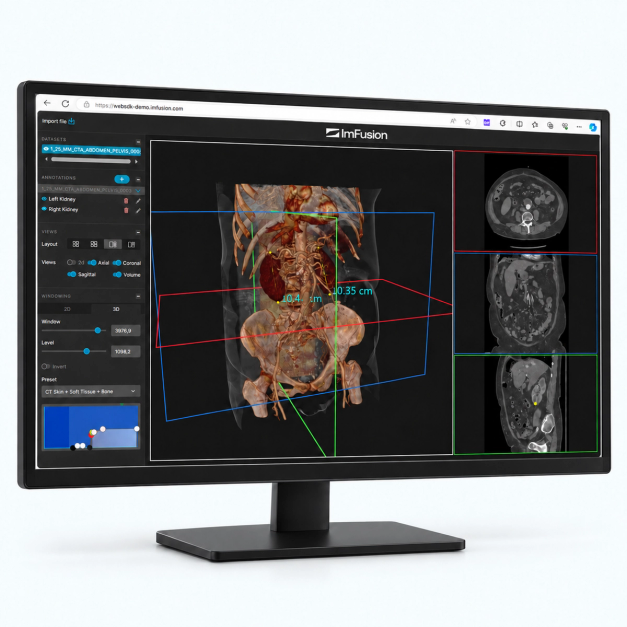
The ImFusion SDK also offers a lightweight WebAssembly wrapper, making key imaging features available directly in web and mobile applications via our Typescript wrapper library. This enables client-side solutions for tasks like DICOM viewing and basic image processing, without compromising performance.
The current bindings power a full-featured in-browser DICOM viewer with 2D and 3D capabilities. Additional bindings can be developed on request to fit your use case.
- Supports 2D/3D visualization, interaction, and basic processing
- Ideal for web-based viewers, mobile tools, or integration with PACS systems.
Visual computing and prototyping in the ImFusion Suite
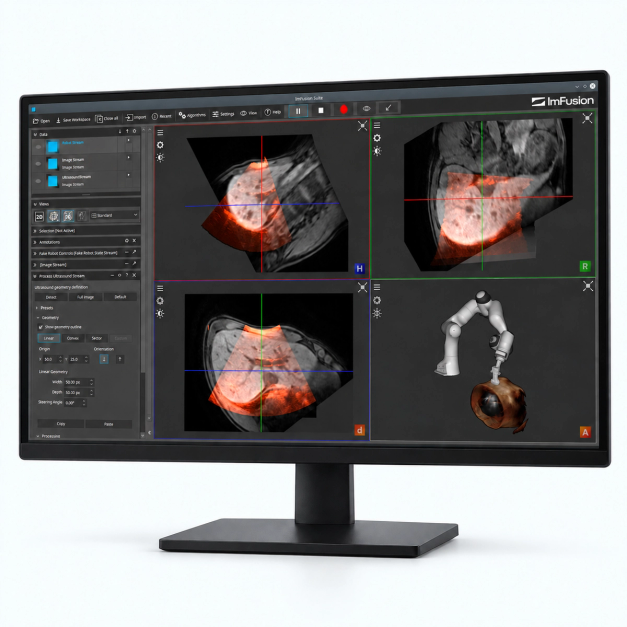
The ImFusion Suite provides a visual front end to the SDK, ideal for rapid experimentation with real-time feedback. Run and tune your algorithms directly on real data, visualize 2D/3D/4D results and interact with annotations and parameters through an intuitive UI.
Whether you’re debugging internal pipelines or showcasing results, the Suite accelerates development without writing GUI code. It’s also the easiest way to start using the SDK—just launch and go.
- Live visualization and debugging of algorithms
- Direct access to loaded data and plugin parameters
- Save and reuse complete workflows from the GUI
- Same back end code used in your final application
High performance computing in modern C++
The C++ SDK is a modular library designed for building advanced medical imaging applications. It gives engineers and researchers full access to high-performance algorithms and infrastructure, wrapped in a flexible, production-grade framework that runs on major OS platforms.
- Cross-platform support: Windows, macOS, Linux + embedded (Jetson) on request
- Modular architecture based on plugins: load only what you need
- Production-proven algorithms trusted by research labs and commercial teams
- Optimized processing pipelines for CPU and GPU
- Modern CMake support
Fast scripting and integration in Python
Get the full power of C++ with the convenience of Python. Ideal for researchers, ML developers, or data scientists who want quick access to core functionality without building full applications.
Use the Python SDK to configure and launch image processing tasks, automate batch workflows, or create deployment-ready machine learning data pipelines.
- Access the C++ SDK from Python
- Interoperability with NumPy
- CPU and GPU computing backends
- Automate project setup and exports in ImFusion Labels
- Interact with the ImFusion Suite from your Python environment
- Interact with data through the built-in Python REPL
Performant web applications in TypeScript
The ImFusion SDK also offers a lightweight WebAssembly wrapper, making key imaging features available directly in web and mobile applications via our Typescript wrapper library. This enables client-side solutions for tasks like DICOM viewing and basic image processing, without compromising performance.
The current bindings power a full-featured in-browser DICOM viewer with 2D and 3D capabilities. Additional bindings can be developed on request to fit your use case.
- Supports 2D/3D visualization, interaction, and basic processing
- Ideal for web-based viewers, mobile tools, or integration with PACS systems.
Visual computing and prototyping in the ImFusion Suite
The ImFusion Suite provides a visual front end to the SDK, ideal for rapid experimentation with real-time feedback. Run and tune your algorithms directly on real data, visualize 2D/3D/4D results and interact with annotations and parameters through an intuitive UI.
Whether you’re debugging internal pipelines or showcasing results, the Suite accelerates development without writing GUI code. It’s also the easiest way to start using the SDK—just launch and go.
- Live visualization and debugging of algorithms
- Direct access to loaded data and plugin parameters
- Save and reuse complete workflows from the GUI
- Same back end code used in your final application
Get a technical walkthrough of the platform to see our key workflows in action and assess fit.
Product Demo
In a product demo, we show you how the ImFusion Suite, SDK, and ImFusion Labels support medical imaging and data annotation workflows. We focus on the capabilities relevant to your application and discuss directly how our technology could fit into your product or support your use case.
- See integration points mapped to your specific tech stack
- Identify bottlenecks before committing development resources
- Validate data format compatibility and transformation requirements
- Get immediate answers from engineers who built the system