SDK Extension Modules
Modular components tailored to your workflow
Domain-specific SDK extensions for advanced medical imaging applications
Specialized capabilities, ready to integrate
Extend the ImFusion SDK with domain-specific modules for capabilities such as ultrasound processing, anatomical content analysis, endoscopic video understanding, and robotic integration. Built on the same core SDK, each module adds proven algorithms, workflows, and data handling for advanced medical imaging applications.
Focus on your application, we handle the technical foundations
Avoid rebuilding complex imaging functionality from scratch. Our extension modules take care of the computational and technical foundations with robust, high-performance implementations, allowing your team to focus on the features, clinical workflow, and differentiation that make your product unique.
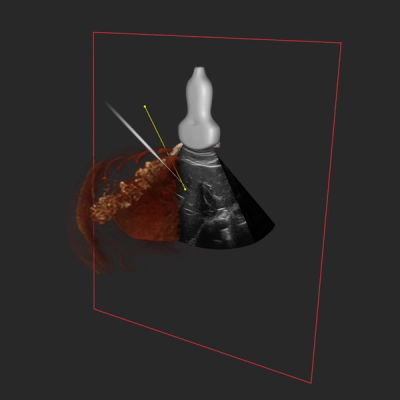
Ultrasound
Bring advanced ultrasound acquisition and processing directly into your application.
The Ultrasound module covers the imaging chain from hardware integration and image formation to real-time analysis, calibration, volume compounding, and freehand 3D reconstruction.
Work with live or recorded data and integrate AI, registration, and navigation into the same processing pipeline. GPU-accelerated building blocks give you a powerful foundation for developing ultrasound imaging, guidance, and interventional applications.
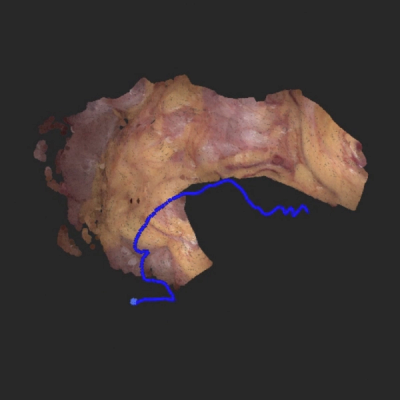
Vision and Endoscopy
Build applications that understand and reconstruct the world from cameras and endoscopic video.
The Vision & Endoscopy module provides tools for 3D reconstruction, SLAM, surface registration, pose estimation, tissue and tool tracking, and mesh and point-cloud processing.
Camera calibration and support for stereo, RGB-D, and monocular workflows complete the imaging pipeline.
These capabilities provide a common foundation for advanced endoscopic guidance, computer vision, augmented reality, and image-based navigation.
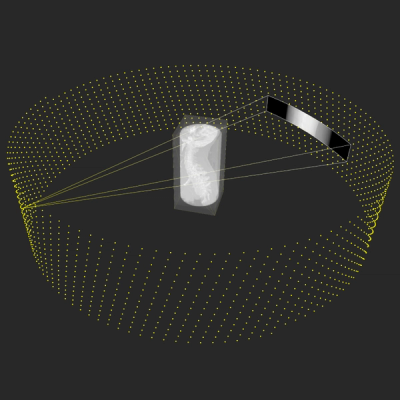
XRays and CT
Build complete X-ray and CT workflows from raw projections to image-guided applications.
The X-Ray & CT module combines projection preprocessing, geometric calibration, GPU-accelerated cone-beam reconstruction, artifact correction, and 2D/3D registration.
Align X-ray images with preoperative CT or anatomical models and integrate the results with visualization, tracking, and navigation workflows. This lets you develop advanced reconstruction and guidance applications without assembling separate imaging toolchains.
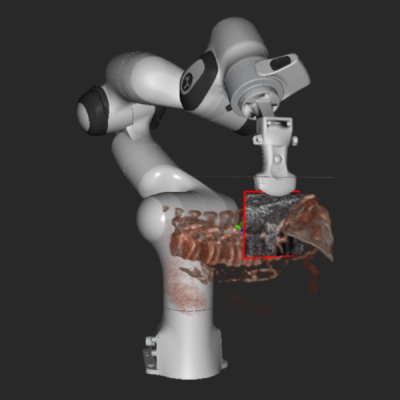
Robotics
Integrate robots, sensors, imaging, and navigation within a unified development framework.
The Robotics module provides common interfaces for supported robotic systems together with tools for calibration, trajectory planning, robotic ultrasound, and force-controlled workflows. Built-in ROS and NVIDIA Isaac integration makes it easier to connect with existing robotics ecosystems.
These building blocks help you move from experimental robotic setups to reproducible, product-ready applications without rebuilding the underlying infrastructure.
Navigation
Build real-time image-guided applications without developing tracking and navigation infrastructure from scratch.
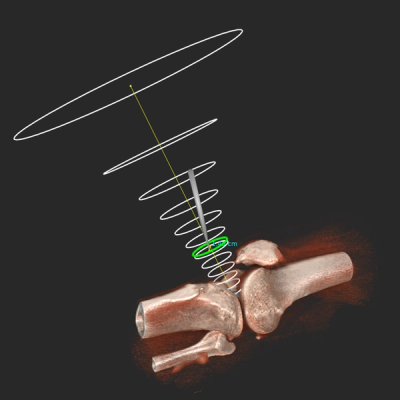
The Navigation module connects imaging data with optical, electromagnetic, and hybrid tracking systems, and provides tools for calibration, registration, and 3D guidance.
Combine preoperative images, intraoperative data, tracked instruments, and targets in one coherent scene.
Flexible visualization and guidance tools help you create navigation workflows tailored to your procedure and clinical application.
Spine
Build advanced spine imaging workflows from detection through planning and navigation.
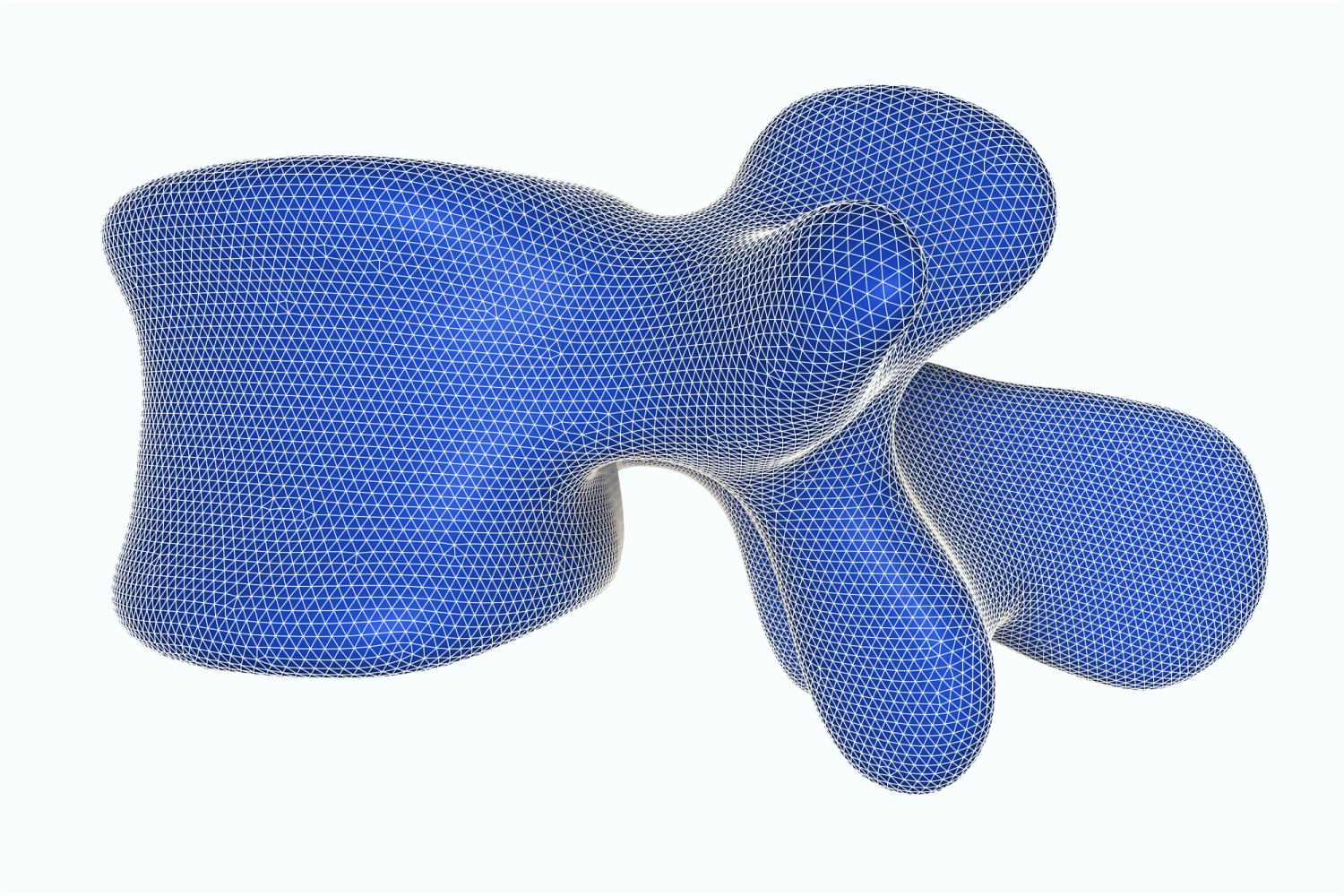
The Spine module automatically localizes, classifies, and segments vertebrae in CT and MRI and brings the results into a shared spine representation.
Use configurable anatomical templates, vertebral landmarks, and rigid or deformable registration to compare scans and transfer planning information between datasets.
The result is an integrated foundation for applications such as spine analysis, surgical planning, implant placement, and navigation.
Cranial
Turn structural neuroimaging into detailed, navigable anatomical models.
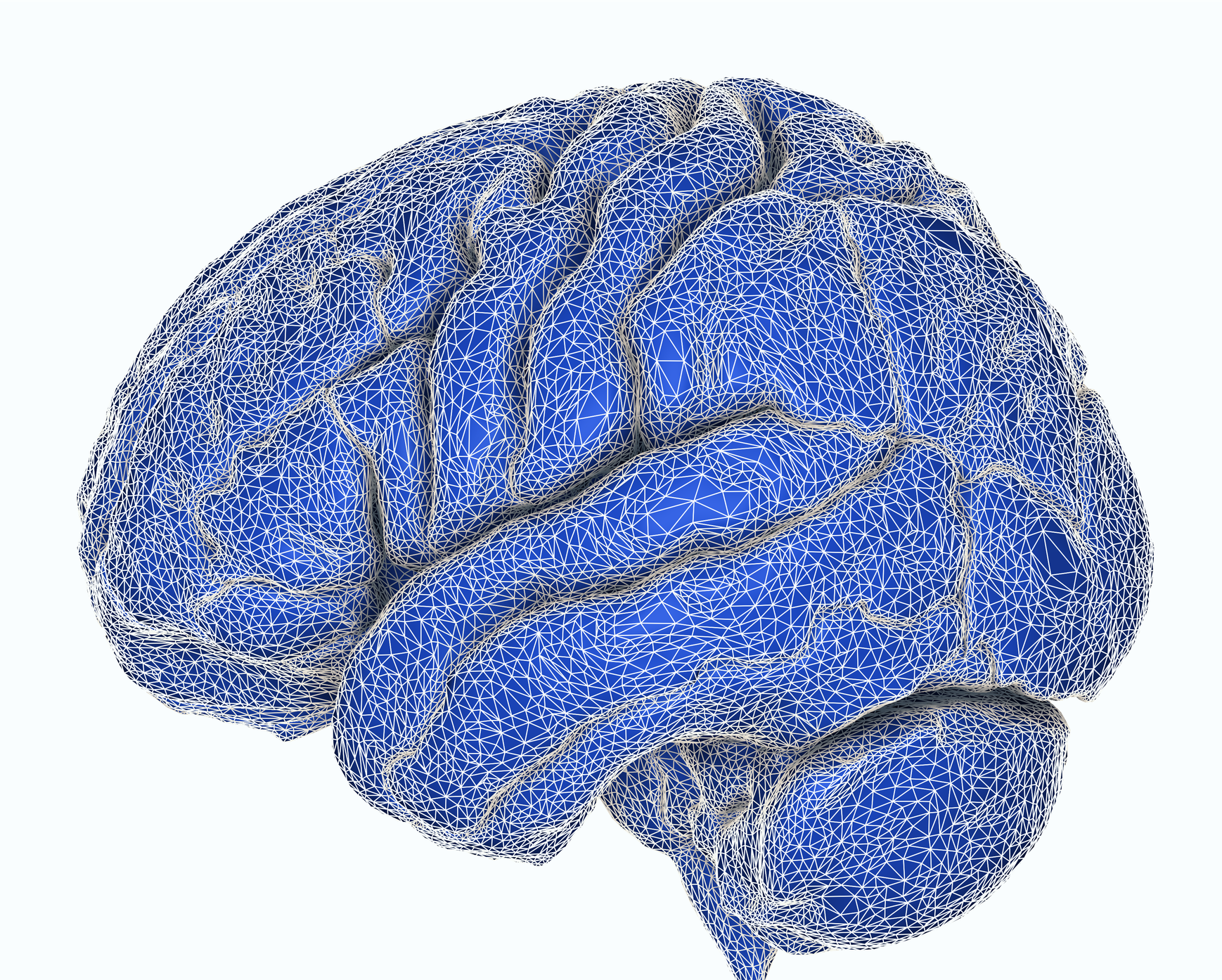
The Cranial module combines brain and skull segmentation, brain parcellation, vessel analysis, landmark detection, and multimodal registration in one framework.
Results from CT and MRI are brought together in a shared anatomy model, ready for visualization, planning, and navigation.
This gives you a strong foundation for building applications ranging from image analysis and surgical planning to stereotactic procedures and intraoperative guidance.
Get a technical walkthrough of the platform to see our key workflows in action and assess fit.
Product Demo
In a product demo, we show you how the ImFusion Suite, SDK, and ImFusion Labels support medical imaging and data annotation workflows. We focus on the capabilities relevant to your application and discuss directly how our technology could fit into your product or support your use case.
- See integration points mapped to your specific tech stack
- Identify bottlenecks before committing development resources
- Validate data format compatibility and transformation requirements
- Get immediate answers from engineers who built the system